
Impacts and Implications of Colour in the Medical Field
This research paper has been written and edited by Haniya Malik. Click below to read more about her. Feel free to check out the blog too!
Click Here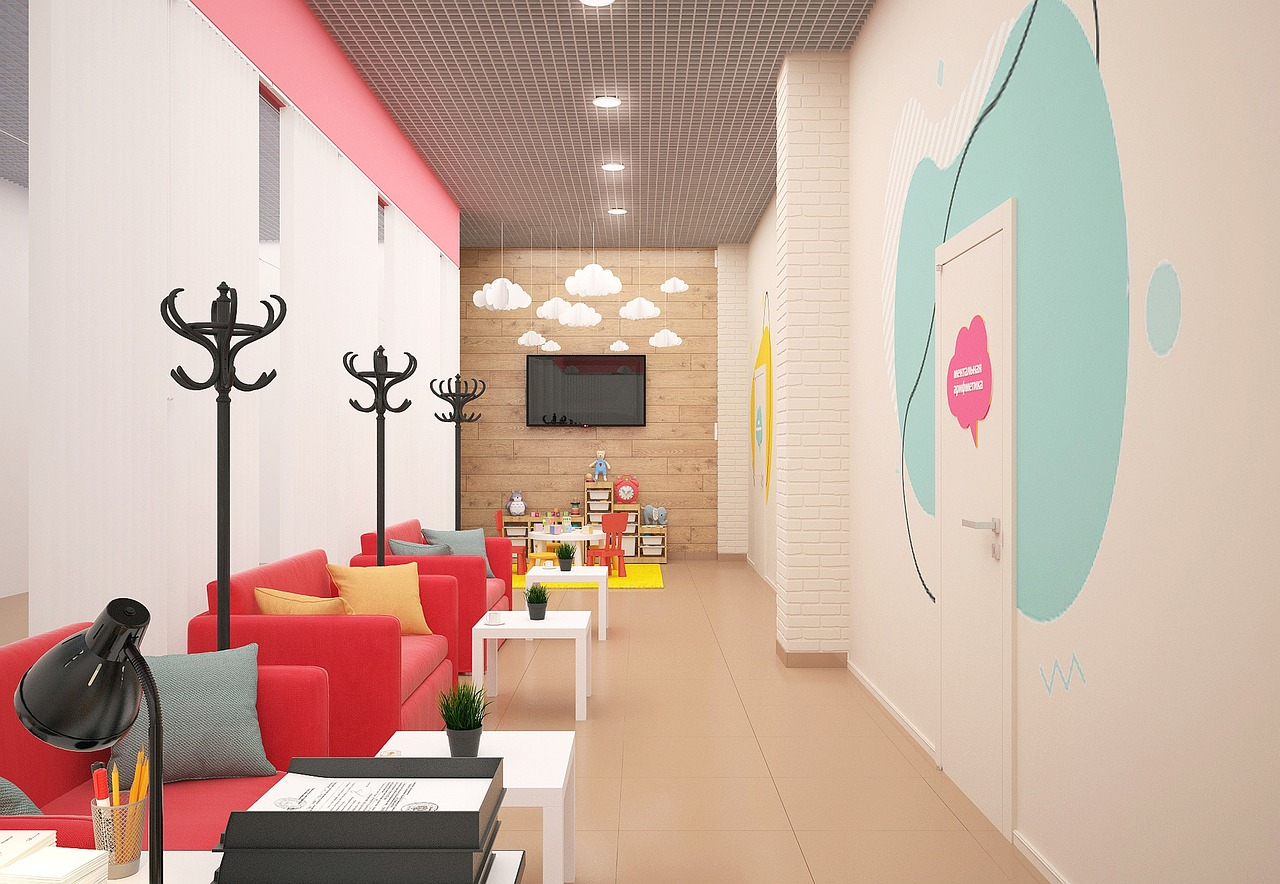
Abstract:
Colour is a media that has the potential to mould one’s perceptions of certain environments and atmospheres. Hence , exploiting it would be most beneficial in certain industries , most particularly , the medical field. This review aims to evaluate the uses of colour , both in a psychological and therapeutic context , outlining the key benefits and detriments in order for researchers to gain a better comprehension of the interaction between tints and humans. Such dissertations are necessary to ensure optimum patient experiences and facilitate recuperation. Various studies collected from Google Scholar and internet search engines such as Google have been analysed meticulously and thoroughly , with the search focused predominantly on empirical studies regarding the implications and phenomena of colour. Although there have been some studies that outline the impacts colour presents , a very limited few dissertations have discussed both therapeutic and psychological effects of color in one article. Future research should aim to provide more evidence-based conclusions , outlined in empirical studies, especially on the extent of chromotherapy’s effectiveness.
Introduction:
Over the past few years , research has shown the significant psychological impacts of colour on a person’s daily life. For instance , studies have outlined that colour can influence mannerisms , elicit sentiments and even impact cognitive reactions.[1] Hence , the importance of considering colour in built environments has long been highlighted in numerous prior studies , research papers and literature reviews.[2]
However , the implications of colour in certain settings , most notably in healthcare settings, is severely underexplored. Considering the complexity and crucial roles of these medical establishments , it is necessary to enhance every aspect of the edifice , in order to ensure positive patient experiences and outcomes. An elementary method of executing this is by strategically utilising colour to augment patient recoveries , elevating discernments of comfort , gratification and rates of recuperation.
It is worthy to note that the strategic usage of colour will also be potentially beneficial for medical staff members. With the correct implementation and execution , colour should be able to alleviate stress of staff members, raise levels of satisfaction ,and overall maximise the quality of healthcare.[1]
While colour can be used ultimately for its aesthetic and psychological purposes , it can also be utilised to treat medical ailments , a practice known as chromotherapy. However , whether the practice is beneficial or is just a pseudo medicine based on esoteric beliefs has long been debated in the medical industry by professionals.
Discussion:
The principal idea most of the chosen articles discussed was the crucial role varied hues of colour played in the creation of certain atmospheres and environments. For instance, a study titled “Colour associations to emotion and emotion-laden words: A collection of norms for stimulus construction and selection” underscored the association of colours such as red and black to negative emotions, whereas brighter colours such as yellow and white were interpreted by participants as “positive emotion words”.[3] Another study published in the Shiraz E-Medical Journal claimed that colours inspired by nature, namely lighter shades of green and blue , were shown to have fostered rehabilitation and promoted comfort.[1]
So this begs the question. Why? While the reason may not be confirmed, it is wise to assume that the symbolic meaning of these colours ,shaped by modern society, is a core, sufficient reason for such interpretations and effects. For example, red, symbolising anger and frustration, and black, denoting death, were both claimed to have evoked negative emotions. On the contrary , colours such as yellow, signifying joy, white, indicating purity and innocence, and shades such as green and blue, representing growth and serenity, elicited positive emotions, and were shown to facilitate recovery. This reason would also explain why some participants in these investigations thought otherwise, perhaps validating that personal interpretations and symbolisms affect the psychological impacts colour can have on a patient.
The study from the Shiraz E-Medical Journal also accentuated how the correct implication of colours can contribute to a more optimal workspace , thus elevating medical staff performances. For instance, excessively vibrant and bold tints have been proven to lead to eye-strain and exhaustion, whereas more proportional and subdued hues alleviated stress and amplified focus.[1] From such statements , it can be concluded that colour is a beneficial tool that can be exploited to enhance well-being , as well as productivity.
The majority of articles and studies have outlined the significant impacts of colour on patients in a general sense, yet very few discuss the effects colour can have on certain age groups. A dissertation published in the Malaysia Architectural Journal titled “A Study on the Effect of Colours in Architecture Towards Healthcare Users” explores the impressions of colour on children , teenagers and the ageing. To summarise the findings, the study hypothesised that children would be more prone to choosing more vibrant , vivid colours from the 100 that were given. However, contrary to this prediction , the majority of children chose mellow shades of green and blue. As for teenagers , the study concluded that the results were varied due to subjective preferences , mentioning how predictions would be inaccurate unless the participants in the experiment had been hospitalized for a controlled period of time. For those who had aged , the study targeting 80 year olds, the investigation yielded similar results to prior studies, with many preferring shades of yellow, blue, green and red.[2]
The colour red itself being chosen seems to be quite unexpected, due to previous studies emphasising on how the tone conjured negative emotions. Perhaps this choice of colour was influenced by the several visual disorders, dysfunctions and overall changes that come with ageing , or perhaps this selection was just a subjective preference. Either way, it is safe to surmise that due to the majority of patients across all age groups selecting pale tones of green and blue , save the teenagers, these hues should be implemented in different areas of the hospital, namely waiting rooms and patient dorms.
The same research project further highlighted that the 66 participants quizzed in another investigation selected shades of green, blue and grey for the exterior of the hospital, the waiting lobby, hallways and corridors, nurse stations , doctor consultation rooms and patient bedded wards. Once again , the unanimous conclusion is that subtle, pale colours such as the hues mentioned above are the optimal choices for the structures of these complex medical establishments.[2]
The exploration of colour’s potential in medical infrastructure, while fairly new, has been implemented in several hospitals across the globe. For example, the Children’s Hospital of Pittsburgh situated in the USA is renowned for its vibrant and cheery utilisation of colour, most notably in its paediatric ward. Its integration of elaborate frescoes, whimsical features and use of vivid hues, such as yellow, blue and green, have promoted an alluring, calming atmosphere for infants. Another prominent instance of an effective implementation of colour is in the paediatric oncology department of Rigshospitalet Copenhagen Medical Hospital, located in Denmark. With its use of soothing tints such as pale blue and green, the hospital has been acknowledged for its novel design, creating a peaceful, hospitable environment for patients and staff members alike. [4]
While colour is a medium for facilitating rehabilitation and enhancing levels of comfort amongst the patient populous, it would be foolish to only implement colour in this way. After all, why exploit colour for its aesthetic and psychological impacts, when it can offer so much more to the medical industry? Chromotherapy. Defined as a method for treating mental and physical ailments through the visible spectrum of electromagnetic radiations, infrared radiation and UV radiation, this practice has long been regarded in the medical industry as effective, though it has sparked lots of controversy over the years, particularly in current Western civilisation. Many claim that this alternative medicinal treatment has allegedly shown to alleviate blood pressure, stress, depression, anxiety and aggression, promoting high quality sleep , and preventing skin infections and certain cancers. While these beneficial impacts of chromotherapy may not be established yet due to the lack of scientific research in this area , one ascertained influence of this practice is the beneficial promotion of positive mood for those who are afflicted with seasonal affective disorder. This is a medical condition that influences the mood of a person based on the amount of light they are exposed to, predominantly causing an issue during colder weather. [5]
A dissertation titled “Chromo therapy- An Effective Treatment Option or Just a Myth?? Critical Analysis on the Effectiveness of Chromotherapy” concluded after vigorous investigation that chromotherapy was an effective treatment for those suffering stress, depression, hypertension, hypothyroidism, hepatitis B, peptic ulcer disease and concomitant conditions, alopecia, spondylosis, hematoma, neonatal jaundice, insomnia, and various skin conditions with minimal adverse ramifications. The study also claimed that this practice was widely accepted by the participants in this investigation, with 54% believing that chromotherapy should be a viable, fundamental treatment option and 31% in favour of it being ubiquitous.[6]
However, while these results may sound convincing, it is essential to recall that every human mind is unique in terms of its neurological aspects. Hence, the certain extent of potency chromotherapy may vary from individual to individual , eliciting different emotions and leading to different effects. Therefore, relying exclusively on chromotherapy to cure a certain disease or illness would be ill-advised.
This notion is further highlighted in a study titled “The Danger of Chromotherapy”. The article accentuates that the practice is solely based on esoteric doctrines and theories , with there being a lack of scientific evidence that support its mechanisms, even in the bibliographic database of the Alternative Theories in Health and Medicine [refers to treatment options that fall outside the realm of conventional Western medicine]. Furthermore, the article questions the safety of the treatment method , with it outlining how the pseudo medicine’s excessive utilisation of blue light can consequently lead to the damaging of the eye. [7] Such disagreeable substantiation underscores the risks a practice with little scientific evidence poses.
Conclusion:
To conclude, colour is a beneficial medium that can be implemented in different areas of hospitals, such as patient wards, to promote a comforting, attractive environment in which patients and staff members may thrive. Hospitals that have strategically integrated colour in their design have shown remarkable results in terms of patient rehabilitation rates, staff productivity and performance, and the overall atmosphere. Allegedly, colours can also be used to treat physical and mental ailments, a practice known as chromotherapy. While the extent of its effectiveness remains a topic of controversy and debate, some claiming that the practice is nothing more than pseudo medicine based on esoteric beliefs, it is essential to consider that, with further scientific study in this realm of medicine, perhaps the method can be refined to better treat diseases.
References:
- Tabanejad , Zeinab .”The Impact of Color in Healthcare Environments: A Systematic Review and Research Agenda.” Shiraz E-Medical Journal 25, no. 12 (2024). doi:10.5812/semj-146676. https://doi.org/10.5812/semj-146676.
- Chong Xue Ying , Christopher Heng Yii Sern , Hazril Sherney Basher. “A Study on the Effect of Colours in Architecture Towards Healthcare Users.” Malaysia Architectural Journal 5, no. 2 (2023): 8-20. doi:10.1234/jhd.2025.0045. https://doi.org/10.1234/jhd.2025.0045.
- Sutton, T. M., and J. Altarriba. 2016. “Color Associations to Emotion and Emotion-Laden Words: A Collection of Norms for Stimulus Construction and Selection.” Behavior Research Methods 48: 686–728. https://doi.org/10.3758/s13428-015-0598-8.
- TEDISEL Medical. 2023. “Colors and Health: The Importance of Colors in Hospitals.” TEDISEL Medical. Accessed January 31, 2025. https://tediselmedical.com/en/colors-and-health-the-importance-of-colors-in-hospitals/#:~:text=Color
- Ohwovoriole, Toketemu. 2024. “Color Therapy Types, Techniques, and Benefits.” Verywell Mind. Last modified January 12, 2024. Accessed January 31, 2025. https://www.verywellmind.com/color-therapy-definition-types-techniques-and-efficacy-5194910
- Gul, Somia. 2015. “Chromo Therapy—An Effective Treatment Option or Just a Myth? Critical Analysis on the Effectiveness of Chromotherapy.” American Research Journal of Pharmacy 1: 62–70.
- Point, Sébastien. “The Danger of Chromotherapy.” Skeptical Inquirer, no. 41 (4) (2017): 50 – 53